Visitor guide
How to Visit an Iceland Glacier: the Parking Fee, the Bases and a Guide
Nobody sells admission to the ice. What you do pay for is the parking camera, the 20-minute check-in and the boots, and the guide the park tells you to take.
Short answers to the questions people ask before a day on the ice. Is there a ticket? What will you see up there? Which glacier suits children? Comparing Iceland glacier guided tours? The fares sit side by side there.
Start with the visitor post if this is your first glacier: it covers the parking fee, the early check-in and the boot rule. One post walks through what you see on a hike, feature by feature, from crevasses to ash bands. One gathers the surprising facts, one sets out the ages and shoe sizes families need, and the last puts a hike, an ice cave and a snowmobile side by side. Longer planning pieces are in the guides.
Nobody sells admission to the ice. What you do pay for is the parking camera, the 20-minute check-in and the boots, and the guide the park tells you to take.
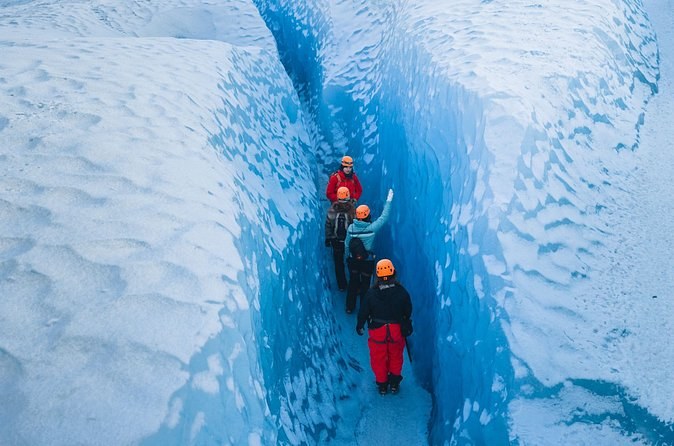
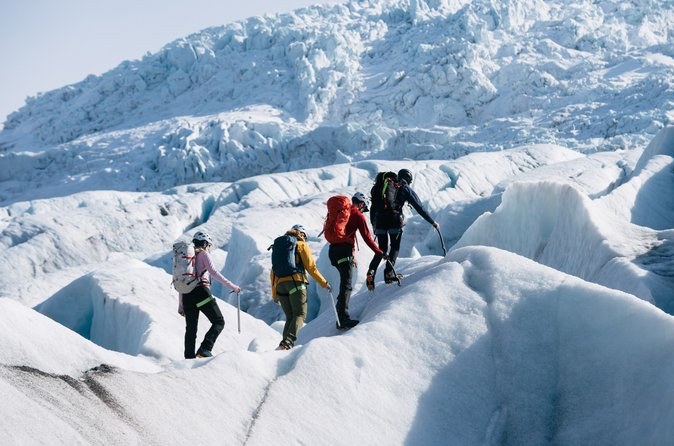
Crevasses, moulins, blue ice, ash bands and meltwater channels, each explained from the national park's own glaciology notes, in the order you meet them.
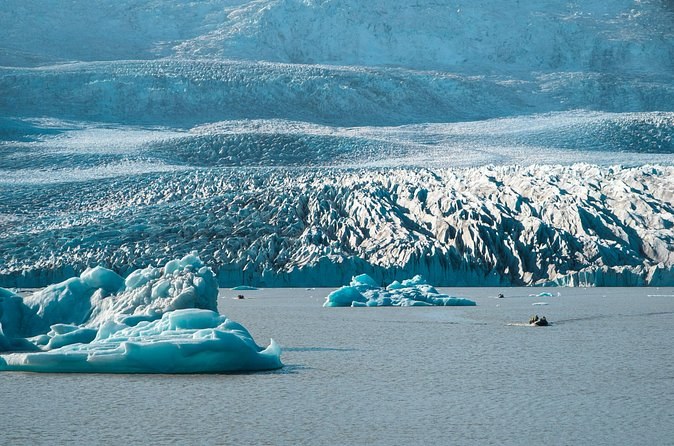
Europe's largest ice cap by volume, a lagoon 200 to 300 metres deep that did not exist a century ago, and a volcano that renamed a whole district in 1362.
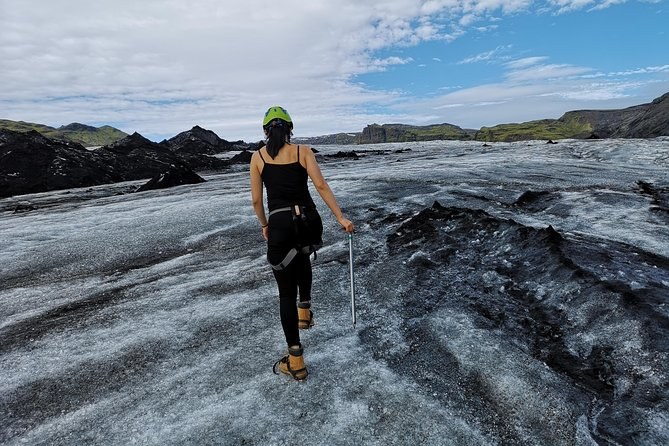
Minimum ages on the ice run from 8 to 14, crampons fit only certain shoe sizes, and one lagoon day takes a two-year-old. The hard facts families need first.
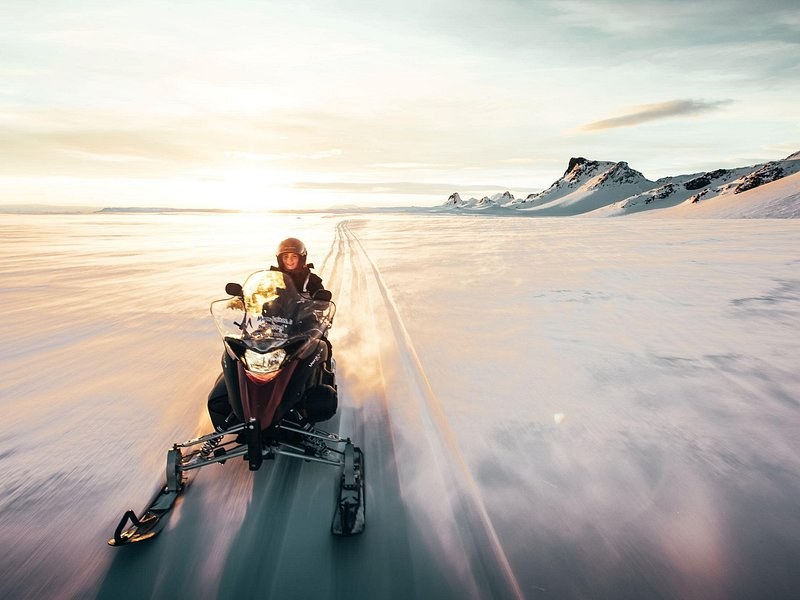
Season, minimum age, gear, price and time on the ice, side by side, for the three things you can do on an Iceland glacier with a guide.
The practical answers are in the visitor guide and the FAQs, and every tour is compared on Iceland Glacier Tours.